Acid resistance
Useful resistance to sulfuric and phosphoric acids and to a range of reducing environments.
Nickel-iron-chromium-molybdenum-copper alloy
A corrosion-resistant nickel-iron-chromium alloy with molybdenum, copper and titanium for acid handling, chloride resistance and chemical-process equipment.
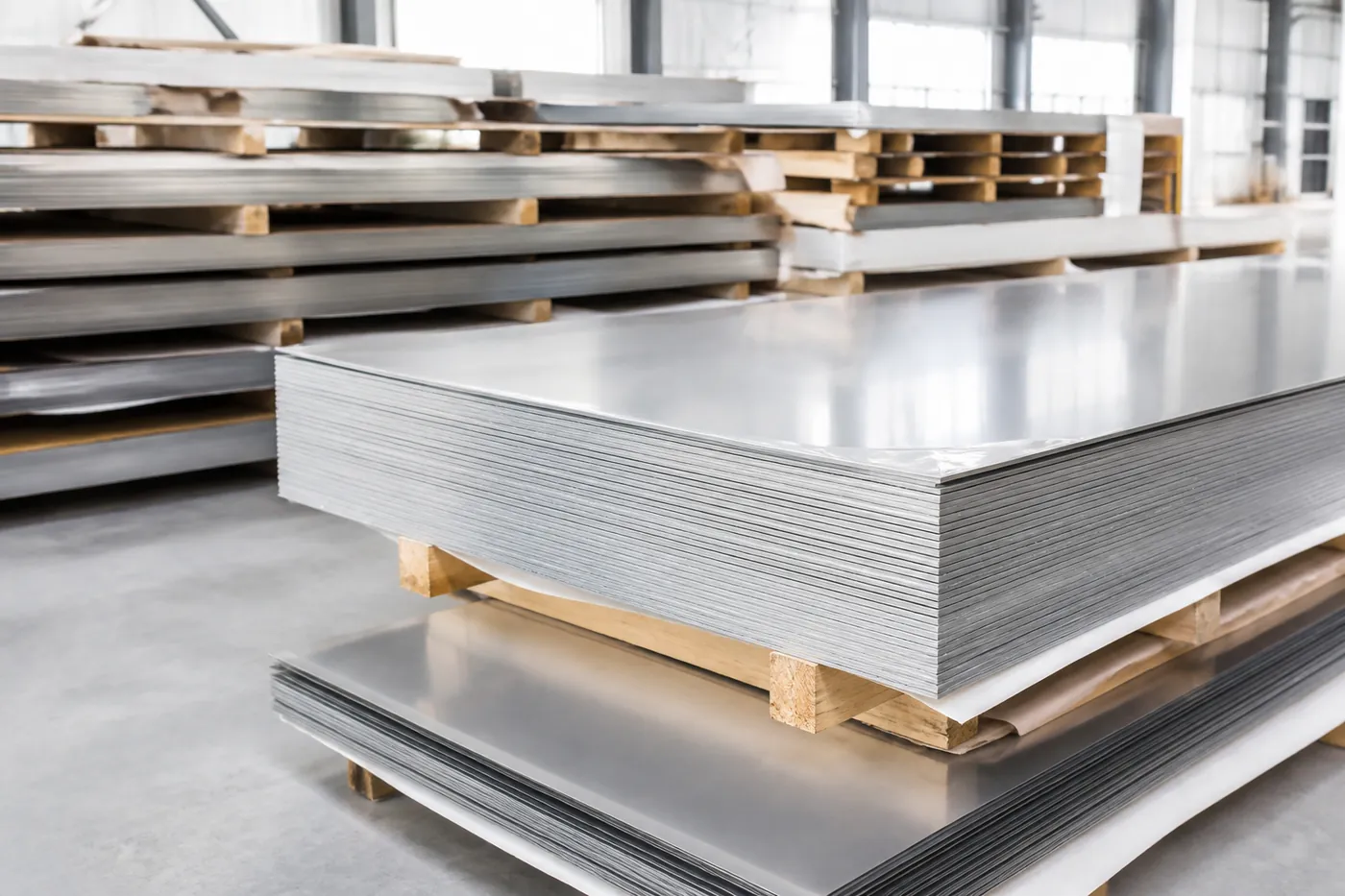 Representative product-form image. Confirm actual surface, dimensions and condition with the quotation.
Material overview
Alloy 825 is designed for resistance across reducing and oxidizing conditions. Nickel supports resistance to chloride-ion stress-corrosion cracking, molybdenum and copper improve resistance to reducing acids, chromium supports oxidizing resistance, and titanium helps stabilize the alloy against sensitization.
Useful resistance to sulfuric and phosphoric acids and to a range of reducing environments.
Molybdenum supports resistance to pitting and crevice corrosion.
Titanium helps control sensitization and intergranular-corrosion risk after appropriate heat treatment.
Technical reference
Values below are published reference limits. The purchase order, applicable specification and mill test certificate control the supplied material.
| Element | Published limit |
|---|---|
| Nickel | 38.0-46.0 |
| Iron | 22.0 min |
| Chromium | 19.5-23.5 |
| Molybdenum | 2.5-3.5 |
| Copper | 1.5-3.0 |
| Titanium | 0.6-1.2 |
| Manganese | 1.0 max |
| Silicon | 0.5 max |
| Aluminum | 0.2 max |
| Carbon | 0.05 max |
Technical reference: manufacturer technical bulletin. Typical data is for material selection only and is not a design guarantee.
Common specifications
Specification editions and permitted product forms change. Send the exact standard, revision and condition shown on your drawing or material list.
| Product or requirement | Common reference |
|---|---|
| Plate, sheet and strip | ASTM B424 |
| Rod and bar | ASTM B425 |
| Seamless pipe and tube | ASTM B423 |
| Forgings and fittings | ASTM B564 |
Availability is subject to grade, size, quantity, condition, certification and mill route. No standard listed here confirms stock.
Application areas
Final material selection belongs to the buyer's qualified engineer and must consider temperature, stress, fabrication, corrosion medium and governing code.
Acid-handling vessels, piping, heat exchangers and process equipment.
Recovery equipment and components exposed to aggressive process fluids.
Scrubbers and equipment handling corrosive waste streams.
Tanks, coils and process hardware for sulfuric or phosphoric acid service.
RFQ checklist
Clear specifications shorten material matching and reduce repeated email clarification. Review our MTC and inspection process when defining your order documentation.
Alloy 825, UNS N08825, ASTM/AMS/EN standard and required revision.
Plate, sheet, strip, round bar, flat bar and cut-to-size material. Include thickness, width, length, diameter and tolerances.
Solution-annealed condition to the applicable product specification
Pieces, kilograms or total project quantity, plus any trial-order requirement.
MTC type, chemistry, mechanical tests, NDT, dimensional report and third-party inspection.
Destination country or port, required date, packing and Incoterm preference.
Fast alloy inquiry
We will review product form, specification, condition, certification and delivery requirements before preparing a targeted quotation.
Buyer questions
Quick answers for initial sourcing. Confirm critical engineering requirements against the governing specification.
It is widely considered for sulfuric and phosphoric acid service, but concentration, temperature, aeration and impurities must be evaluated for the actual application.
Titanium helps stabilize the alloy against sensitization and supports resistance to intergranular attack after suitable heat treatment.
ASTM B424 is a common plate, sheet and strip specification. Always state the required edition, dimensions and condition.
Related grades
Compare the published data for these grades, then confirm the specified alloy and condition with your engineer. Related grades are not automatically interchangeable.
Product-specific quotation
Include the product form, dimensions, quantity, standard, condition and destination. Attach a drawing or RFQ when needed. Availability, documents and lead time are confirmed after review.
INCONEL, INCOLOY and MONEL are trademarks of the Special Metals Corporation group of companies. Laixi Special Steel is not presented as the trademark owner. Material data is informational; final supply is governed by the confirmed purchase specification and MTC.