Purchasing after the RFQ

How to Compare Nickel Alloy Quotations Beyond Price per Kilogram

Two offers can name the same alloy and still cover different quantities, processing and documents. Before ordering Nickel 201, Alloy 625, Alloy 718 or Monel 400, normalize the commercial scope instead of comparing only the unit price.

Weight basisCut-to-size scopeDelivery comparison
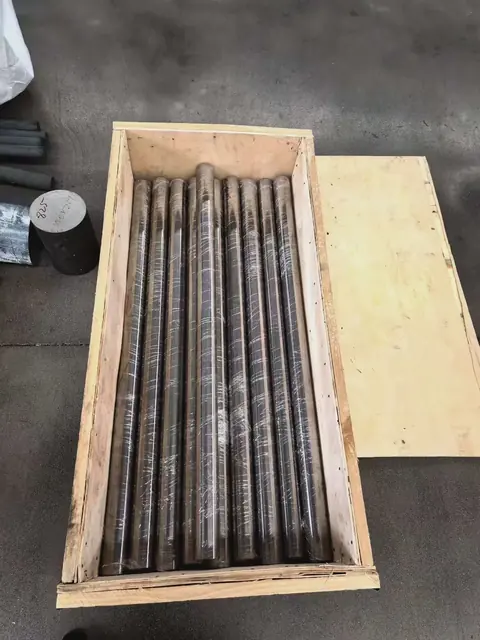
Individually wrapped bars in a wooden case illustrating packing scope for a quotationPacking example only; the photograph does not establish alloy grade, current stock or a standard packing commitment.

First freeze the technical requirement

Use one line per grade, product form, size and delivery condition. Include the specification edition, drawing revision, quantity and permitted tolerances. A solution-treated offer and an aged-material offer are not automatically comparable. Special Metals' Alloy 718 bulletin describes why fabrication and heat-treatment sequence matter; your contractual specification controls the ordered condition.

Do not substitute a bar standard for a sheet or tube standard, or treat a trade name as the complete purchase specification. Resolve technical deviations before ranking suppliers by price. For the original specification checklist, see the nickel alloy RFQ guide.

Confirm what weight and quantity will be invoiced

Actual or theoretical weight?

Ask whether billing uses measured net material weight, calculated weight or a fixed piece price. For calculated weight, agree the dimensions, density basis and rounding rule. Keep net material weight separate from gross shipping weight, which includes packing.

Finished quantity or purchased stock?

State both the required number of usable pieces and the material being purchased. Ask whether a full parent bar, plate or coil must be bought, whether remnants are supplied, and who owns or receives them.

Cutting kerf, end trimming and machining allowance are different items. Have the supplier identify each applicable allowance rather than adding an unexplained percentage to the finished-part weight. No universal cutting allowance is proposed here: process, size and acceptance requirements must be reviewed for the order.

Use a line-by-line comparison sheet

Information to obtain from every bidder
Comparison itemQuestion to resolve
Material and conditionSame grade, product standard, edition, dimensions, tolerance and processing condition?
Billable quantitySame piece count, usable size, weight basis and permitted quantity variation?
MOQMinimum per size, grade, heat, production run or entire order? Can lines be combined?
Cutting and processingAre cutting, grinding, edge finishing or other requested operations included?
Inspection and documentsAre required certificates, tests and witness activities included or separately priced?
Packing and transportSame packing scope, shipment dimensions, named destination and delivery term?
Validity and paymentSame currency, quote-validity date and payment milestones?

For an internal comparison, total the material charge and separately quoted processing, inspection, packing and transport on the same delivery basis. Record unresolved destination charges separately instead of assuming a quoted freight amount is the complete delivered cost.

Do not let a certificate description hide a scope gap

Ask for the required inspection document type and a representative certificate format before ordering. The shipment document must relate to the supplied material and agreed test scope. An analyzer photograph is not a replacement for heat-linked test documentation. If cutting or repacking is included, specify how piece or bundle identity remains connected to the source certificate.

Confirm whether additional laboratory testing, third-party attendance, document review and retests are included. Agree acceptance criteria and responsibility before work begins. Use the inspection planning guide for those technical controls.

Compare milestones, not just “lead time”

Ask what starts the quoted clock: order acceptance, payment, drawing approval or completion of technical review. Separate material readiness, processing, inspection release, packing and dispatch from transport time. A ready-to-dispatch date is not an arrival guarantee.

For long bars, confirm package length, restraint and handling limits. For sheet or strip, confirm separation and surface protection. Ask for packing dimensions and gross weight before final freight pricing. Availability, MOQ and delivery remain order-specific; neither an old photograph nor a previous quotation confirms current readiness.

Send a comparison-ready RFQ

Grade / form / standard and edition / condition: ___

Dimensions, tolerance and drawing revision: ___

Required usable pieces and requested billing basis: ___

Cutting, allowance, remnants and processing scope: ___

Certificate, inspection and traceability requirements: ___

Packing, destination, delivery term and required date: ___

Request: show MOQ, line totals, separate charges, validity and dispatch milestones.

Laixi coordinates independent sourcing and export support. Confirm the supply route and commercial scope in the quotation; no stock or fixed delivery commitment is implied by this checklist.
Product-specific starting points

Reference and scope

Technical background checked 17 October 2026: Special Metals, INCONEL alloy 718 bulletin. Its condition guidance supports the technical comparison; the commercial checklist is purchasing guidance, not a material acceptance standard. Obtain the governing product specification and agreed order requirements separately.